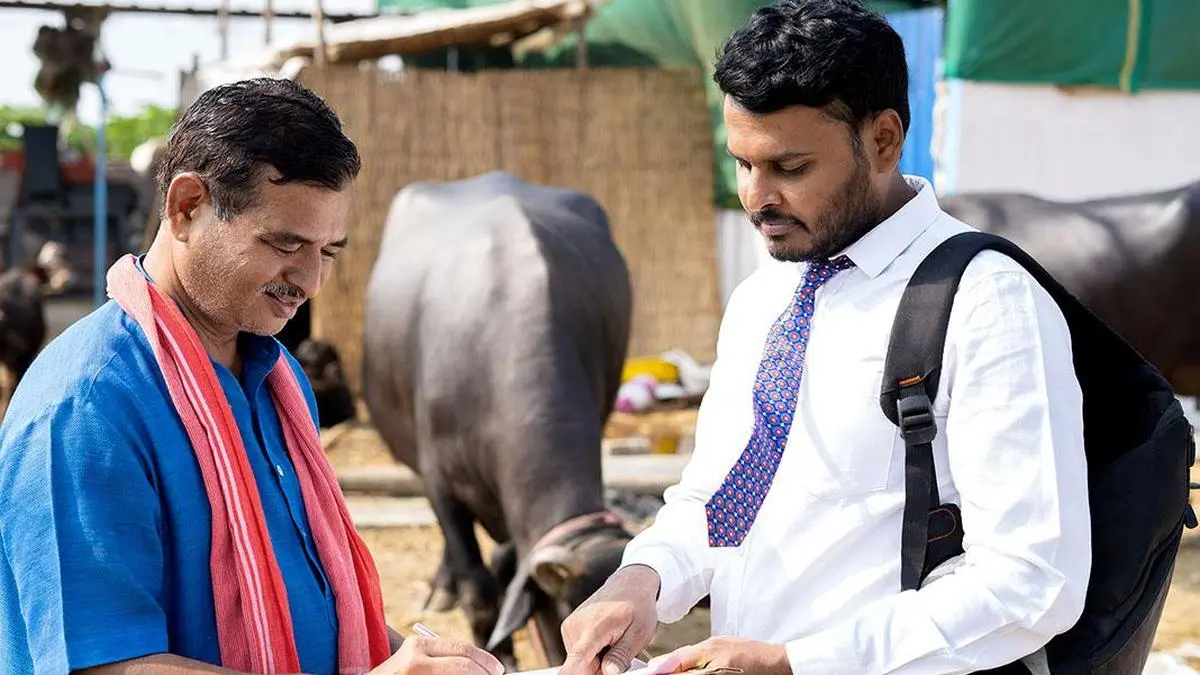
India's strategic response to the looming El Nino threat emphasizes the importance of district-level contingency plans to safeguard agricultural supply chains. The agriculture ministry, led by Shivraj Singh Chouhan, has urged states to prioritize timely advisories and resource allocation.
What Happened and Why
The India Meteorological Department (IMD) has forecasted a below-normal southwest monsoon, with potential El Nino conditions developing. In response, the agriculture ministry has activated contingency plans to address these challenges.
Quantified Impact
The IMD predicts monsoon levels at 90% of the long-term average, potentially affecting crop yields and supply chains. The ministry has ensured that national seed stocks exceed current requirements, mitigating immediate risks.
| Impact Area | Expected Change |
|---|---|
| Monsoon Level | 90% of long-term average |
| Seed Stock | Exceeds current requirements |
Industry Response and Best Practices
The ministry's directive includes strategies for re-sowing, irrigation, and alternative crops. Chouhan emphasized the use of certified seeds and moisture conservation techniques. The government will enhance digital advisories and pest monitoring to support farmers.
"The impact of potential challenges can be largely controlled through coordinated efforts by the central and state governments," said Shivraj Singh Chouhan.
Forward Outlook and What to Watch
As the monsoon season progresses, monitoring the implementation of these contingency plans will be crucial. The focus will be on effective water management and the adoption of climate-resilient practices to minimize disruptions.
What This Means for Your Procurement Team
Procurement teams should prepare for potential delays in agricultural supply chains and consider diversifying suppliers to mitigate risks. Engaging with local agencies to understand regional impacts and resource availability will be essential.