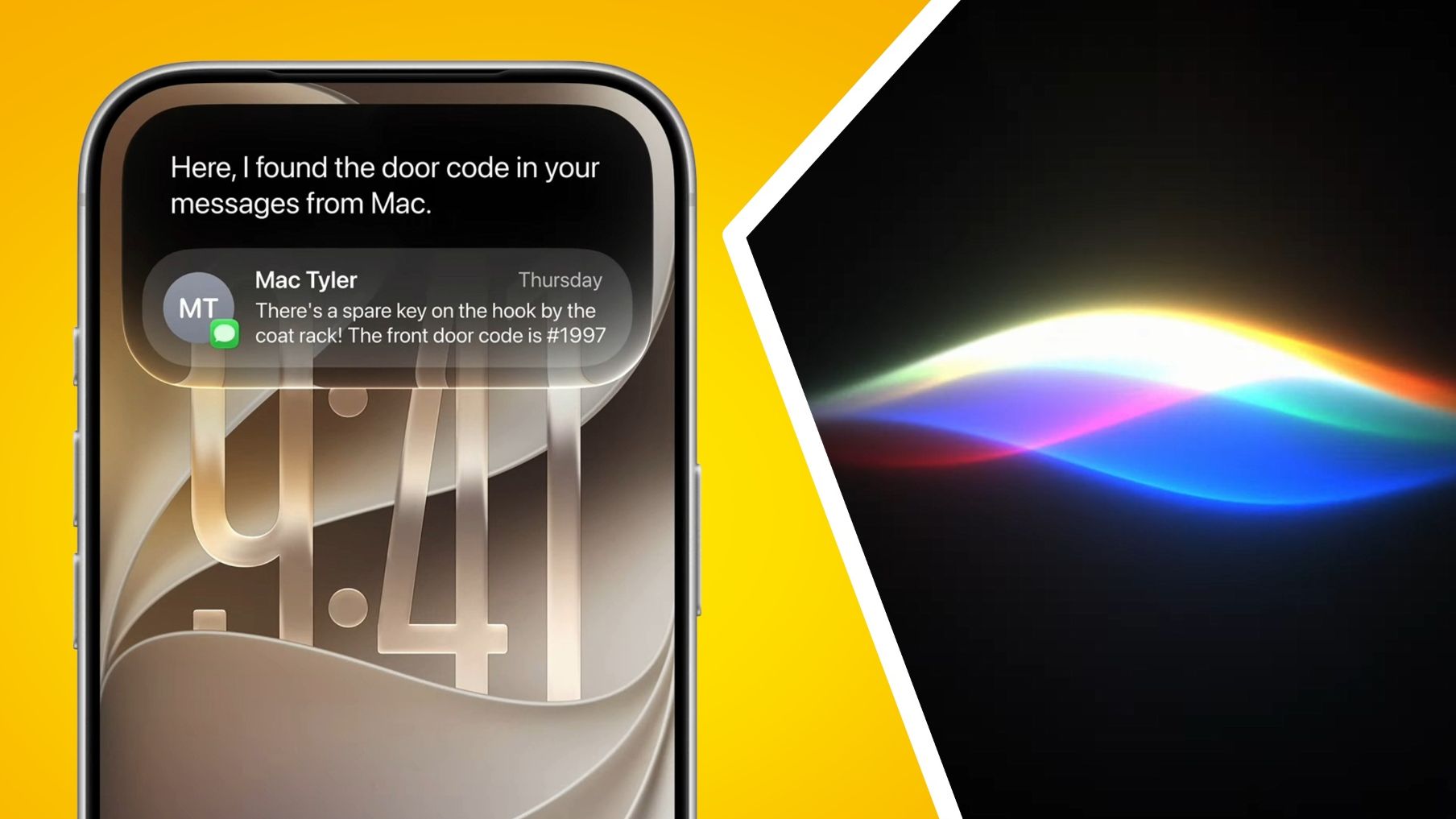
I’m outside hiking and testing a developer beta of Siri AI, Apple’s revamped voice assistant, when fog engulfs the Golden Gate Bridge behind me. It’s beautiful, but I’m coatless, cold, and ready for something cozy. So, I pull out my iPhone and ask this new Siri where I can grab some fluffy pancakes nearby. A translucent orb at the top of the smartphone screen spins around a few times, then the voice assistant responds with a recommendation: a spot called Eats in the Inner Richmond.
From Limited Assistant to Conversational Travel Guide
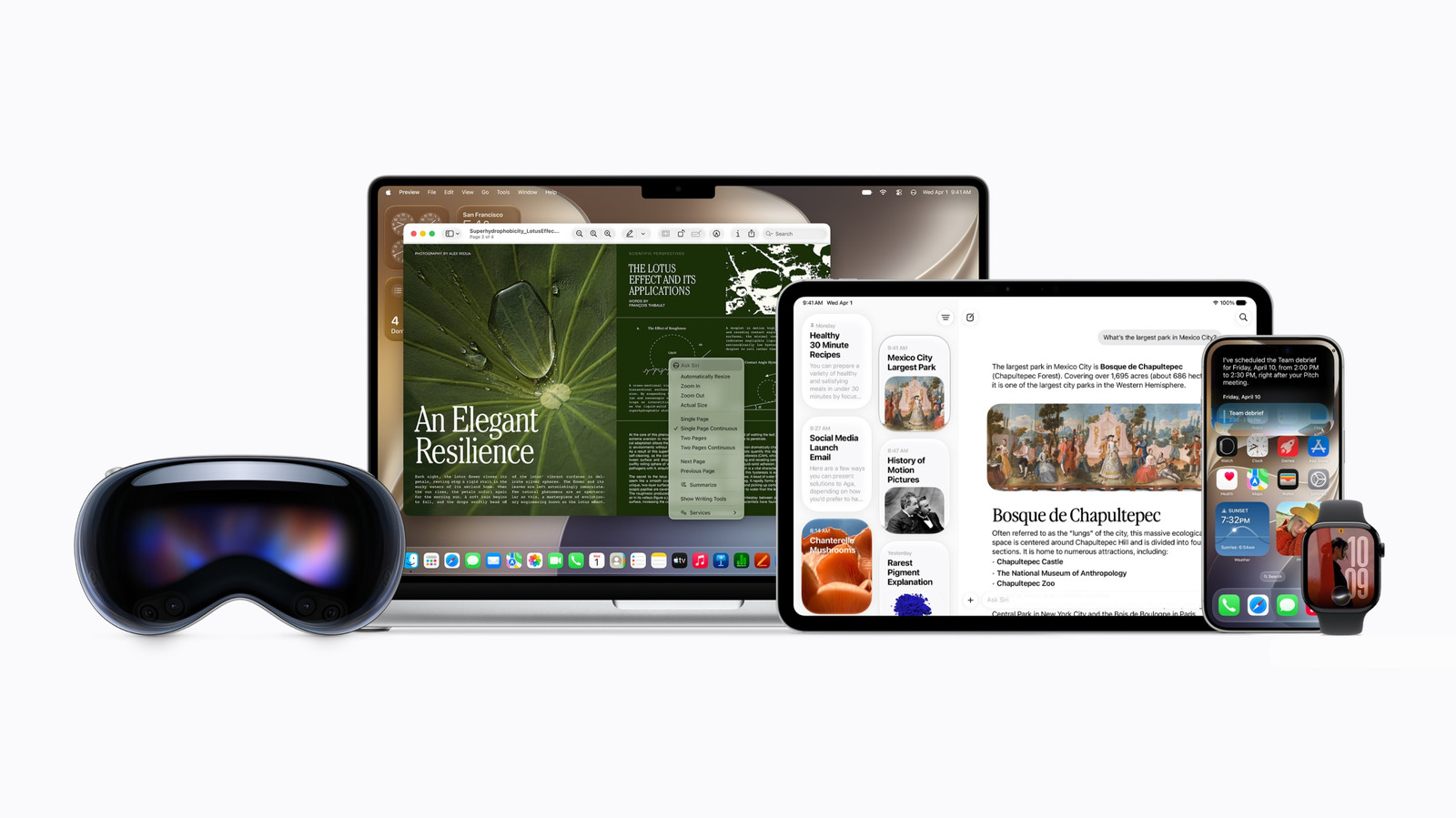
This version of Siri—conversational, omnipresent, actually helpful—has been long delayed. At its annual developer conference this year, Apple shared how it would finally come to fruition as part of iOS 27, according to WIRED. The voice assistant is now highly personalized based on your messages, photos, and emails. It’s also better at understanding questions and interacting with apps. Basically, it feels nothing like Siri of yore. That’s a good thing.
Since Apple plans to roll out this voice assistant to the public later this year, WIRED senior writer Reece Rogers was curious to see how helpful Siri AI could be as a travel guide, even in its beta form. So he grabbed his iPhone and headed out to explore San Francisco.
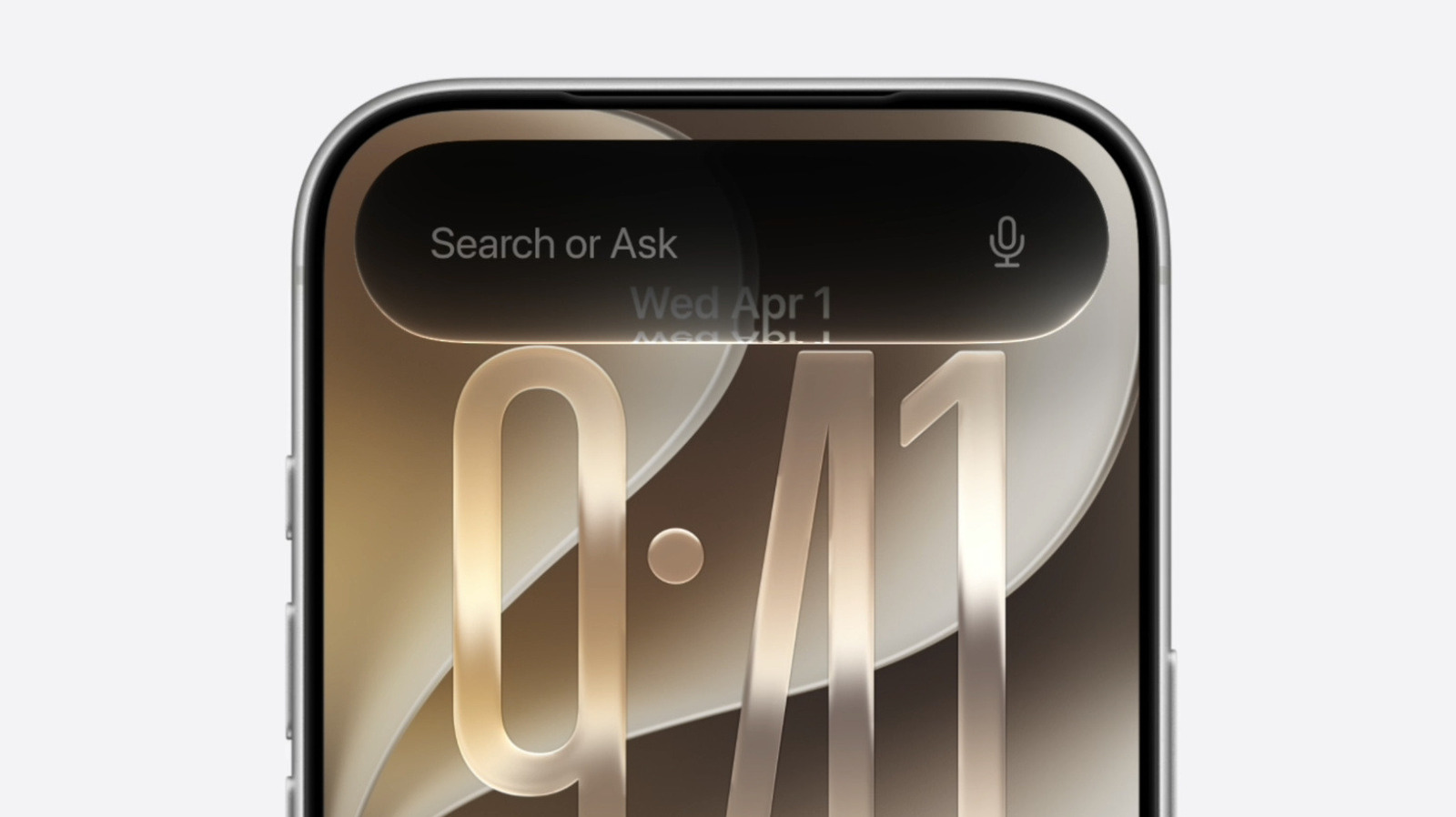
The evolution of Siri is striking, even in this nascent iteration. Whereas before Siri was a more limited, isolated experience, it’s now merged into the iPhone search bar and pops up if you swipe down in the middle of your screen. You can chat conversationally with it or swipe down on Siri’s answers to text any follow-up questions. These back-and-forths are stored in a dedicated app, so you can return to past conversations.
Bite-Sized Answers and Hyper-Personalization
Rogers quickly found that Siri AI’s bite-sized replies don’t drone on endlessly like many contemporary AI assistants, often sticking to a single paragraph. When he verbally asked for a nice beach hike route to see the sunrise near the Golden Gate Bridge, it succinctly recommended a popular trail in the Presidio neighborhood as well as an option in the Marin Headlands. Siri bolded key words in the text answer that appeared alongside the audible response for easy scanning. Since he wanted more info before heading out, he swiped down on the text answer to read additional details about each option.
Apple’s partnership with Google is a core driver behind this Siri overhaul. Google’s Gemini now helps power the voice assistant’s underlying model, Apple Intelligence. Siri’s output with this new model felt more attuned to what Rogers was looking for, rather than just suggesting a couple of website links for him to dig through. When he asked generic questions, like “What should I do today,” Siri combed through his recent messages and highlighted recent plans he started discussing with friends but never finalized.
Another key aspect of Siri AI is hyper-personalization based on what you have on your device, whether that data is in your photos or messages. It also doesn’t keep you locked into Apple-only services; when Rogers asked Siri to draft a text, the voice assistant confirmed if he wanted to send it through Apple’s Messages or Meta’s Messenger service.
This style of AI search requires Siri to index your phone, which means scanning and cataloging its data for easy reference. When Rogers updated his iPhone to the developer beta for iOS 27, it took a little over a week for the device to fully index.
Privacy Architecture and Device Requirements
At WWDC 2026, Apple repeatedly referenced its privacy-preserving approach to Siri AI. As part of the company’s Private Cloud Compute, Apple claims it doesn’t store data from users and only pulls from it when you ask Siri a question. Similar to the previous version of Apple’s assistant, users who aren’t interested can turn off Siri AI in their settings.
Rogers tested Siri AI on an iPhone 16 Pro Max, which will have many but not all of Siri AI’s features. Based on what’s been publicly released, only the iPhone Air, iPhone 17 Pro, and the iPhone 17 Max will have all the fixings, like more varied voice options.
| Device | Siri AI Feature Support |
|---|---|
| iPhone 16 Pro Max | Many but not all features |
| iPhone Air | Full features (e.g., varied voice options) |
| iPhone 17 Pro | Full features |
| iPhone 17 Max | Full features |
As Apple prepares to launch Siri AI to the public later this year, the beta demonstrates a significant leap in conversational AI assistants, blending on-device personalization with cloud-powered intelligence under a privacy-first design. For enterprise technology leaders, the approach—combining on-device indexing, a large language model via Google Gemini, and a dedicated privacy cloud—offers a reference architecture for deploying AI assistants that respect user data while delivering contextual, actionable answers.
Sources: