iGEN
Visit IGEN World Explore IGEN Expo
EXPLORE UPGRADE PLANS
BREAKING
Tin Prices Poised to Rule Elevated in 2026 on Semiconductor Demand and Supply Disruptions India must boost oilseed yields to cut edible oil imports, SEA chief says India Air Freights 5 Tonnes of Medical Aid to Afghanistan Under Humanitarian Assistance Tsakos Joins Greek Capesize Ordering Wave at Hengli Heavy Industries How US quietly kept Gulf crude moving despite Iran's Hormuz blockade Rupee Rebounds 31 Paise to 94.29 as Easing Oil, Dollar Index Boost Sentiment Shipping Braces for Monster El Niño as NOAA Warns of Record-Intensity Event Threatening Global Trade Lanes India May Require Refiners to Triple Crude Oil Inventories After Lessons From China Fleets Reposition for Hormuz Reopening Ahead of US-Iran Peace Deal Signing Gold price prediction today: Central bank buying, US-Iran peace deal support gold above $4,300/oz Tin Prices Poised to Rule Elevated in 2026 on Semiconductor Demand and Supply Disruptions India must boost oilseed yields to cut edible oil imports, SEA chief says India Air Freights 5 Tonnes of Medical Aid to Afghanistan Under Humanitarian Assistance Tsakos Joins Greek Capesize Ordering Wave at Hengli Heavy Industries How US quietly kept Gulf crude moving despite Iran's Hormuz blockade Rupee Rebounds 31 Paise to 94.29 as Easing Oil, Dollar Index Boost Sentiment Shipping Braces for Monster El Niño as NOAA Warns of Record-Intensity Event Threatening Global Trade Lanes India May Require Refiners to Triple Crude Oil Inventories After Lessons From China Fleets Reposition for Hormuz Reopening Ahead of US-Iran Peace Deal Signing Gold price prediction today: Central bank buying, US-Iran peace deal support gold above $4,300/oz
Home ›› Trade ›› Sanctions Embargoes ›› US May End Russian Oil Waivers Amid Global Energy Concerns

US May End Russian Oil Waivers Amid Global Energy Concerns

The US is considering ending sanction waivers on Russian oil imports, initially granted to stabilize global energy supplies. The decision, pending from the Department of Treasury, could affect countries like India that benefited from these waivers.

iG
iGEN Editorial
June 3, 2026
US May End Russian Oil Waivers Amid Global Energy Concerns

The United States has indicated a potential shift in its policy regarding Russian oil imports, signaling an end to the sanction waivers that have been in place since March 2026. These waivers were initially granted to ease global energy supply constraints following geopolitical tensions.

Background

The waivers, which were extended twice, are set to expire on June 17, 2026. US Secretary of State Marco Rubio testified before the Senate Foreign Policy Committee, emphasizing the temporary nature of these waivers. The Department of Treasury is responsible for the final decision on their continuation.

Impact on Global Markets

Countries like India have benefited significantly from these waivers, allowing them to import Russian oil without facing US sanctions. The potential end of these waivers could lead to shifts in global oil prices and trade dynamics.

  • India: Major beneficiary of the waivers
  • US: Aims to reinforce its sanction policy
  • Global Markets: Potential volatility in oil prices

Policy Implications

The US's stance reflects its broader strategy to maintain pressure on Russia while balancing global energy needs. Democrat Jeanne Shaheen questioned Rubio on the commitment to not extend the waivers further, highlighting the political and economic stakes involved.

"We would like to end it as soon as we possibly can because the underlying policy of this country has been to sanction their oil," said Rubio.

Future Outlook

As the expiration date approaches, stakeholders in the energy sector are closely monitoring the situation. The decision will have significant implications for international trade and energy security.

Country Benefit from Waiver Potential Impact
India High Increased costs
US Low Policy alignment

The global energy market remains on edge as the US deliberates its next steps, with potential ripple effects across economies reliant on Russian oil imports.
Keep Reading

Recommended Stories

Trump Says US Can ‘Soon’ Reimpose Russian Oil Sanctions After Strait of Hormuz Reopens Trade

Trump Says US Can ‘Soon’ Reimpose Russian Oil Sanctions After Strait of Hormuz Reopens

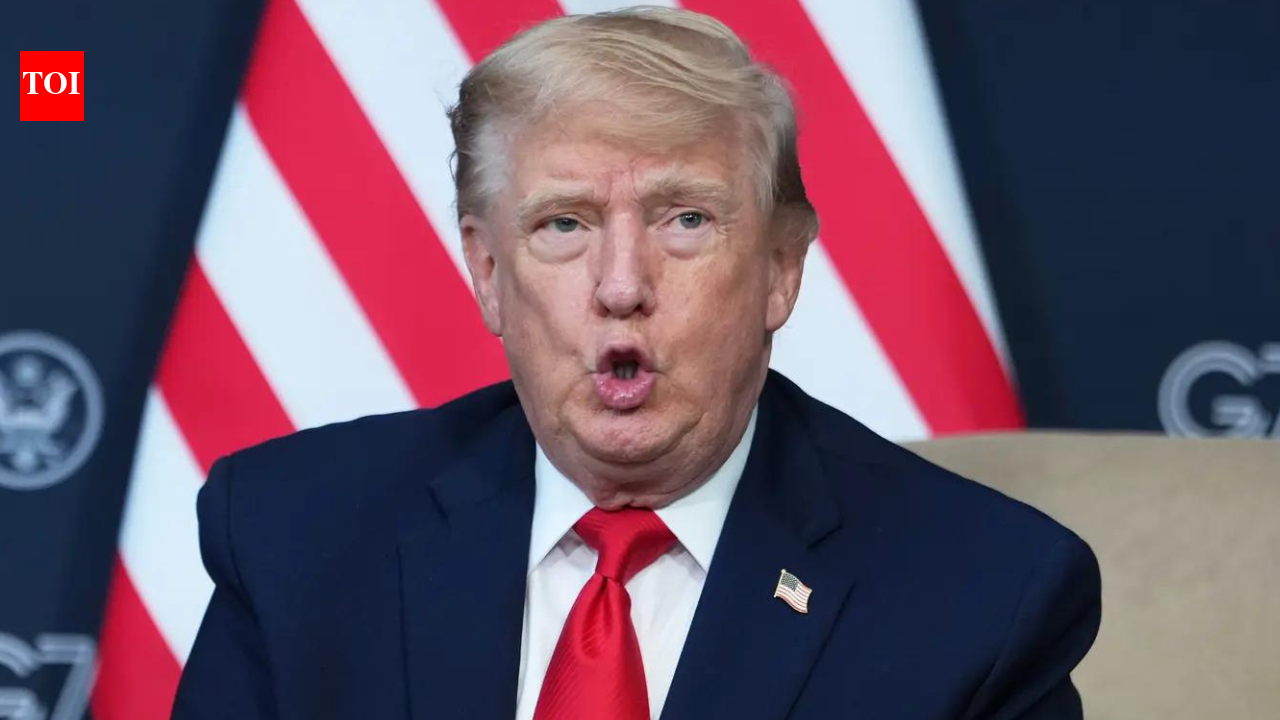
US President Donald Trump announced the US will soon reimpose sanctions on Russian oil shipments after crude flows resumed through the Strait of Hormuz following a deal with Iran. The remarks came at the G7 summit in France, where leaders discussed increasing pressure on Moscow over the Ukraine war.

June 17, 2026
U.S. Military Uses Iranian Smuggling Tactic for Gulf Oil Transfers Amid Strait Closure Trade

U.S. Military Uses Iranian Smuggling Tactic for Gulf Oil Transfers Amid Strait Closure

The U.S. military has conducted scores of ship-to-ship oil transfers off Fujairah and Sohar since early May, employing a shuttling technique previously used by Iran to evade sanctions. The operation, involving at least 92 ships, aims to maintain Gulf energy exports after Iran effectively closed the Strait of Hormuz, causing the biggest global energy supply disruption in history. An Apache helicopter involved in the mission was shot down by Iran on June 9.

June 16, 2026
UK vows to phase out Russian diesel and jet fuel imports by new year Trade

UK vows to phase out Russian diesel and jet fuel imports by new year

The UK government has committed to banning imports of diesel and jet fuel made from Russian oil by 1 January 2027, as part of its sanctions package following the war with Ukraine. The temporary licence for such imports will be reviewed every two weeks and could be revoked earlier. The move has drawn criticism from the EU and campaigners.

June 14, 2026
Putin Denies Russia Profiting from Iran Oil Crisis Trade

Putin Denies Russia Profiting from Iran Oil Crisis

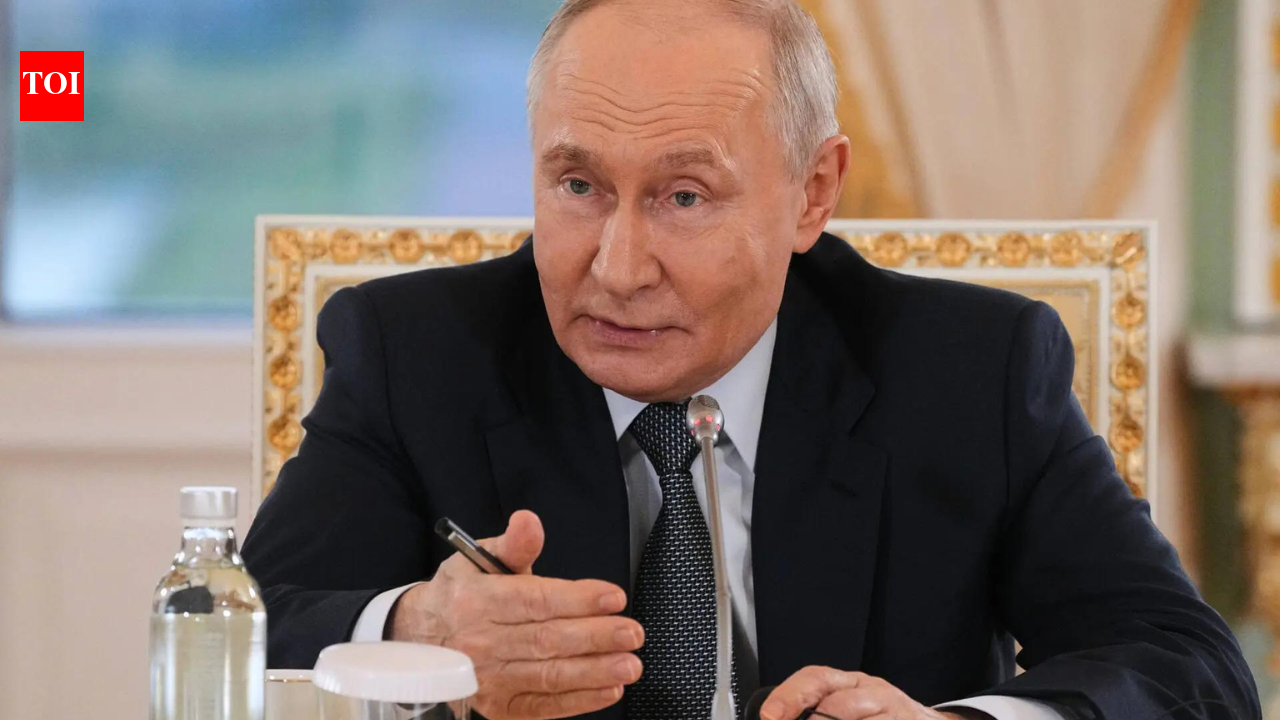
Russian President Vladimir Putin refutes claims that Russia is profiting from the Iran oil crisis, emphasizing the need for conflict resolution. He highlights Russia's commitment to long-term stability over short-term energy market gains.

June 6, 2026