iGEN
Visit IGEN World Explore IGEN Expo
EXPLORE UPGRADE PLANS
BREAKING
Tin Prices Poised to Rule Elevated in 2026 on Semiconductor Demand and Supply Disruptions India must boost oilseed yields to cut edible oil imports, SEA chief says India Air Freights 5 Tonnes of Medical Aid to Afghanistan Under Humanitarian Assistance Tsakos Joins Greek Capesize Ordering Wave at Hengli Heavy Industries How US quietly kept Gulf crude moving despite Iran's Hormuz blockade Rupee Rebounds 31 Paise to 94.29 as Easing Oil, Dollar Index Boost Sentiment Shipping Braces for Monster El Niño as NOAA Warns of Record-Intensity Event Threatening Global Trade Lanes India May Require Refiners to Triple Crude Oil Inventories After Lessons From China Fleets Reposition for Hormuz Reopening Ahead of US-Iran Peace Deal Signing Gold price prediction today: Central bank buying, US-Iran peace deal support gold above $4,300/oz Tin Prices Poised to Rule Elevated in 2026 on Semiconductor Demand and Supply Disruptions India must boost oilseed yields to cut edible oil imports, SEA chief says India Air Freights 5 Tonnes of Medical Aid to Afghanistan Under Humanitarian Assistance Tsakos Joins Greek Capesize Ordering Wave at Hengli Heavy Industries How US quietly kept Gulf crude moving despite Iran's Hormuz blockade Rupee Rebounds 31 Paise to 94.29 as Easing Oil, Dollar Index Boost Sentiment Shipping Braces for Monster El Niño as NOAA Warns of Record-Intensity Event Threatening Global Trade Lanes India May Require Refiners to Triple Crude Oil Inventories After Lessons From China Fleets Reposition for Hormuz Reopening Ahead of US-Iran Peace Deal Signing Gold price prediction today: Central bank buying, US-Iran peace deal support gold above $4,300/oz
Home ›› Trade ›› Sanctions Embargoes ›› US Targets 60 Nations Over Forced Labour, India Included

US Targets 60 Nations Over Forced Labour, India Included

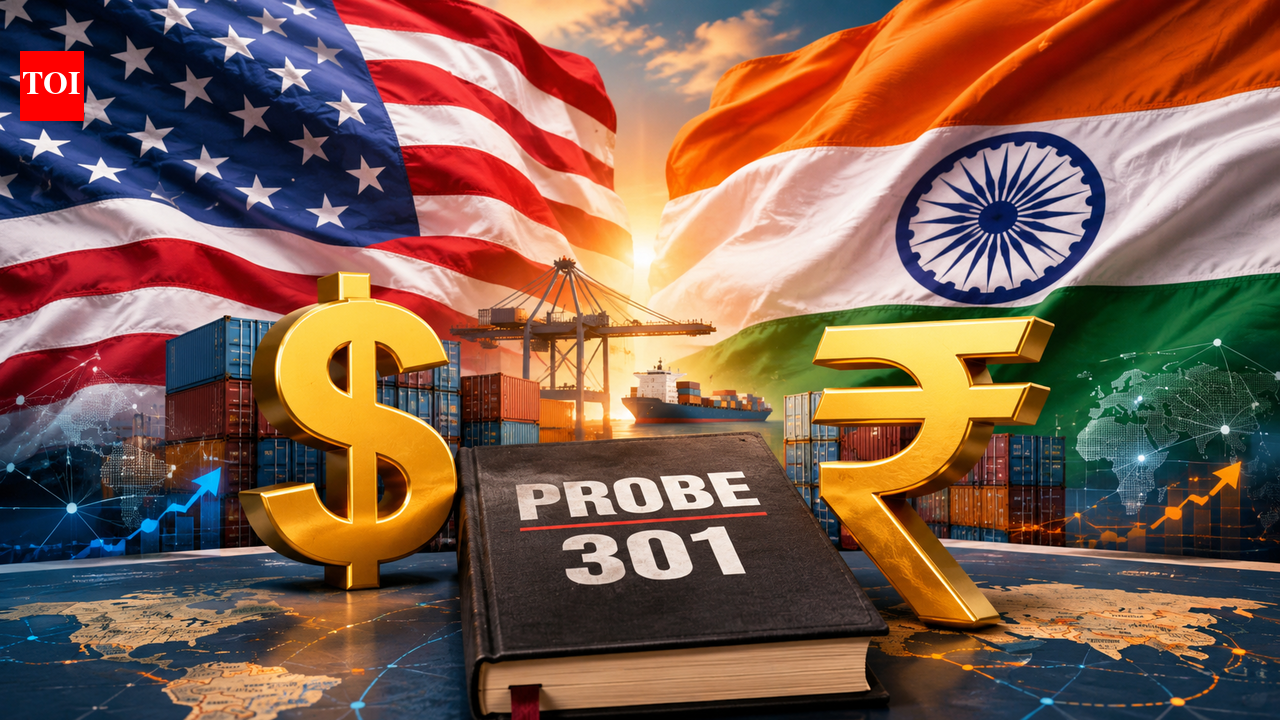
The US Trade Representative proposes additional tariffs on 60 countries, including India, due to forced labour concerns. The proposal, under Section 301 of the US Trade Act of 1974, suggests tariffs of 10% to 12.5% on imports.

iG
iGEN Editorial
June 3, 2026
US Targets 60 Nations Over Forced Labour, India Included

The United States Trade Representative (USTR) has proposed imposing additional tariffs on 60 countries, including India, due to concerns over forced labour in global supply chains. This proposal, announced on June 3, 2026, comes amid ongoing trade negotiations between the US and India.

Section 301 Investigation

The proposal follows an investigation under Section 301 of the US Trade Act of 1974, which examined whether countries allow goods produced with forced labour to enter global supply chains. The investigation, launched in March 2026, covered economies accounting for 99.4% of US imports.

"The acts, policies, and practices of India related to the failure to impose and effectively enforce a forced labor import prohibition are unreasonable and burden or restrict US commerce," stated the USTR report.

Impact on India

The USTR report highlights India's reliance on imported inputs from China, suspected of being produced using forced labour. Key sectors affected include:

  • Solar panels: Exports to the US often use Chinese polysilicon or solar cells.
  • Electronics: Manufacturing depends on Chinese components and sub-assemblies.
  • Textiles and garments: Use of Chinese yarns and fabrics linked to Xinjiang cotton.

Proposed Tariffs

The USTR suggests imposing additional duties of 10% to 12.5% on imports from affected economies. This move could impact bilateral trade negotiations, as India and the US are currently engaged in a three-day round of trade talks in New Delhi.

Country Proposed Tariff Increase
India 10% to 12.5%
Others 10% to 12.5%

Global Implications

The proposal affects 54 economies, with the USTR emphasizing the need for stricter enforcement of forced labour prohibitions. The focus is on products using imported inputs from China, particularly those linked to forced labour in Xinjiang.

The Global Trade Research Initiative (GTRI) notes that increased scrutiny on supply chains could lead to tighter traceability requirements for goods exported to the US.
Keep Reading

Recommended Stories