iGEN
Visit IGEN World Explore IGEN Expo
EXPLORE UPGRADE PLANS
BREAKING
Relay Q: London Startup's AI Microphone Puts Hands-Free Voice Dictation on the Desktop Google Pixel 10a Crowned Best Budget Pixel in WIRED's Updated 2026 Buying Guide Global Steel Wire seeks fresh Santander terminal concession Veritas Shipmanagement books fresh ultramax pair at COSCO yard, Splash247 reports Seanergy linked to fresh newcastlemax at Hengli as dry bulk orderbook grows Weaker rupee may push foreign assets over FAST-DS Rs 1 crore limit, raising tax bill 45 Indian power plants face critically low coal stocks as monsoon hits supply SFL Makes Fresh $363m Car Carrier Play With Four LNG Dual-Fuel Newbuilds Iran Blacklist Threatens Hormuz Shuttle Tanker Lifeline for Gulf Crude Keyfield International Enters Dredging Market with $24.7m Vessel Acquisition Relay Q: London Startup's AI Microphone Puts Hands-Free Voice Dictation on the Desktop Google Pixel 10a Crowned Best Budget Pixel in WIRED's Updated 2026 Buying Guide Global Steel Wire seeks fresh Santander terminal concession Veritas Shipmanagement books fresh ultramax pair at COSCO yard, Splash247 reports Seanergy linked to fresh newcastlemax at Hengli as dry bulk orderbook grows Weaker rupee may push foreign assets over FAST-DS Rs 1 crore limit, raising tax bill 45 Indian power plants face critically low coal stocks as monsoon hits supply SFL Makes Fresh $363m Car Carrier Play With Four LNG Dual-Fuel Newbuilds Iran Blacklist Threatens Hormuz Shuttle Tanker Lifeline for Gulf Crude Keyfield International Enters Dredging Market with $24.7m Vessel Acquisition
Home ›› Commodities ›› Commodities Energy ›› U.S. Diesel Crack Spread Hits Record $102 a Barrel, Signaling Q4 Supply Crunch

U.S. Diesel Crack Spread Hits Record $102 a Barrel, Signaling Q4 Supply Crunch

The U.S. diesel crack spread hit an all-time record of roughly $102 a barrel on August 17, 2026, according to Reuters figures cited by FreightWaves, with distillate inventories at the lowest level for that time of year since 1996. The spread, four to six times normal, points to a refining and supply crunch rather than a crude oil problem. FreightWaves frames it as an early-warning signal for diesel buyers heading into Q4.

iG
iGEN Editorial
August 18, 2026
U.S. Diesel Crack Spread Hits Record $102 a Barrel, Signaling Q4 Supply Crunch

U.S. diesel crack spread hit an all-time record of roughly $102 a barrel on August 17, 2026, according to Reuters figures cited by FreightWaves. Financial commentators called the move 'absolutely unprecedented,' and the spread now sits at four to six times its normal range of $15–$25 a barrel — above anything recorded during the 2022 energy crisis, when diesel prices reached around $6 a gallon at the pump.

What the Crack Spread Tells Us

Forget the intimidating name: the crack spread is simply the refinery's markup on turning crude oil into diesel. Crude oil is the raw ingredient; diesel is the finished meal on the plate. The crack spread is the difference between the cost of the groceries and the price of the meal, FreightWaves explained. When the gap is normal, the kitchen runs smoothly. When it explodes to record levels, something is badly wrong in the kitchen — a shortage of finished meals, not a shortage of ingredients.

When the raw material is cheap-ish but the finished product is sky-high, the bottleneck is in production and supply, and that is a fundamentally different and stickier problem than a simple oil price spike.

Why the Record Matters

The current level is the highest the spread has ever been recorded, and even the 2022 peak was well below today's reading, according to FreightWaves. The record spread indicates the diesel problem is not about crude oil. It is about everything that happens after the crude comes out of the ground: refining it and getting the finished diesel where it needs to go. Crude is relatively available; finished diesel is not.

Crude Is Calm, Diesel Is Cruising

Crude oil prices are sitting below $100 a barrel and have been called calm or even falling, but diesel fuel bills keep climbing. According to FreightWaves, crude is being held down in part by governments releasing strategic reserves, while diesel is being driven up by a refining and supply crunch that those reserve releases do nothing to fix. Watching only crude oil prices gives a false sense of security, the report said.

Supply Side: Distillate Inventories at the Lowest Since 1996

According to Energy Information Administration data cited by FreightWaves, U.S. distillate inventories — which include diesel and heating oil — sat at about 107.1 million barrels in early August 2026, the lowest level for that time of year since 1996. That tightness underlies the record crack spread.

Metric Level Source
U.S. diesel crack spread (Aug. 17, 2026) ~$102/bbl (record) Reuters via FreightWaves
Normal crack spread range $15–$25/bbl FreightWaves
U.S. distillate inventories (early Aug. 2026) 107.1 million barrels EIA via FreightWaves
Diesel pump price, 2022 crisis ~$6/gallon FreightWaves

The Q4 Signal for Diesel Buyers

The FreightWaves report — headlined 'Some Diesel Analysts Are Warning of a Supply Crunch Nobody in Washington Is Talking About' — calls the record crack spread a 'genuinely useful early-warning signal' for diesel buyers. Its headline explicitly asks what it could mean for Q4. The report emphasizes that the root cause is not crude but the refining and delivery chain after the crude comes out of the ground, making the problem stickier than a simple oil price spike. With distillate inventories already at the lowest level for this time of year since 1996, the refining and supply crunch is the metric to watch heading into the fourth quarter.


Sources: FreightWaves
Keep Reading

Recommended Stories

Benchmark diesel price is now highest since war began Commodities

Benchmark diesel price is now highest since war began

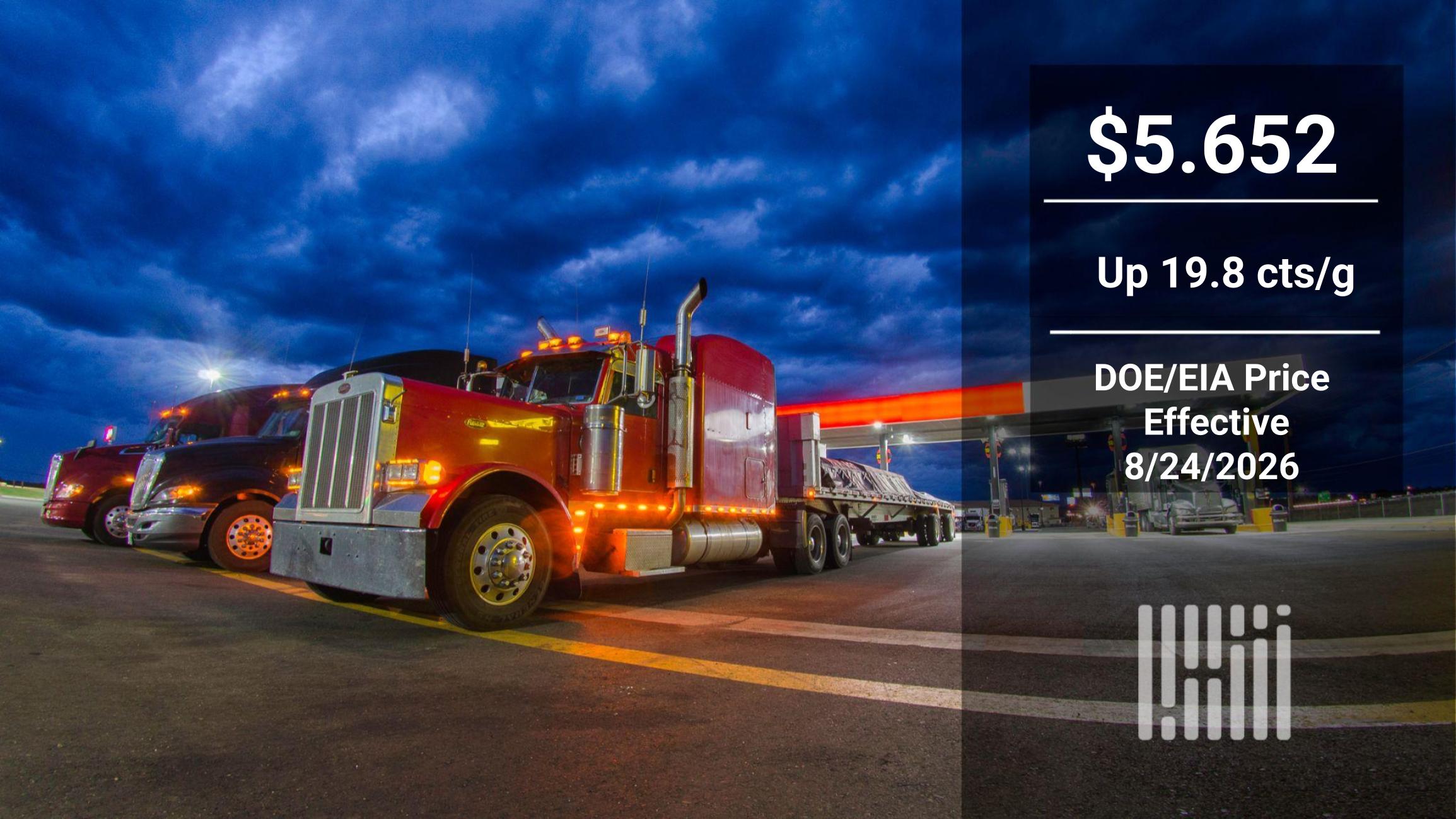
The DOE/EIA average weekly retail diesel price rose 19.8 cents/gallon to $5.652/g, its highest level since military action against Iran began in early March. ULSD futures on the CME reversed course, falling 22.72 cents/gallon after Treasury Secretary Scott Bessent signaled a shift to economic pressure on Iran. Bullish diesel-specific factors including Ukrainian strikes on Russian refineries continue to underpin the market.

August 25, 2026
Diesel Prices Surge in Largest Weekly Jump Since Iran War, Now Double Brent Crude Commodities

Diesel Prices Surge in Largest Weekly Jump Since Iran War, Now Double Brent Crude

Diesel prices experienced their largest weekly jump since the Iran War, adding over 55 cents per gallon in two weeks, according to the latest DOE/EIA report. The surge has pushed diesel to double the price of Brent crude, highlighting severe imbalances in the global energy market. The spike threatens US industry, strains supply chains, and raises concerns ahead of hurricane season and ongoing geopolitical conflicts.

July 22, 2026
Big Jump in Benchmark Diesel Price Is Second Largest Since Iran War Began Commodities

Big Jump in Benchmark Diesel Price Is Second Largest Since Iran War Began

The DOE/EIA benchmark diesel price surged 33.8 cents/gallon to $5.134/g, marking the second-largest weekly increase since the start of the Iran war. Ultra low sulfur diesel (ULSD) on CME settled at $4.119/g, nearing a $1 gain from early July. Supply disruptions from the Strait of Hormuz and potential Houthi attacks on Saudi Arabia continue to fuel bullish sentiment.

July 21, 2026
Diesel Plunges as IEA Report Offers Bullish and Bearish Signals Following U.S.-Iran Peace Deal Commodities

Diesel Plunges as IEA Report Offers Bullish and Bearish Signals Following U.S.-Iran Peace Deal

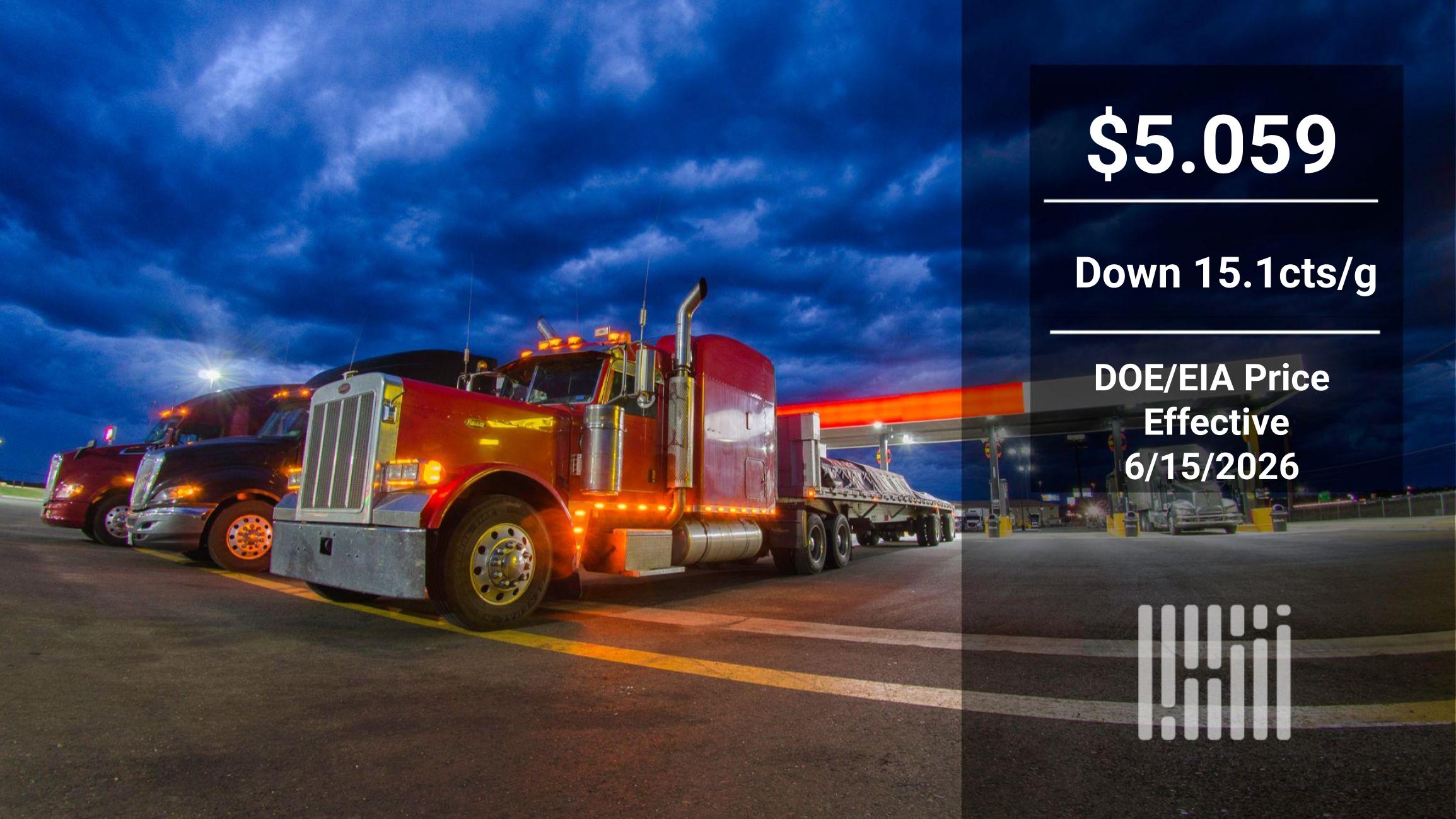
The International Energy Agency's monthly report provides data supporting both bullish and bearish oil price views following the U.S.-Iran peace deal. Diesel prices have fallen sharply, with DOE/EIA retail diesel at $5.059/gallon, down 15.1 cents. ULSD on CME settled at $3.1702/g, down 44.24 cents in four days. IEA estimates global supply will average 102.4 million b/d in 2026, a drop of 3.9 million b/d from 2025, while demand is set to decline 1.1 million b/d. May production plunged to 94.5 million b/d, down 13.6 million b/d from pre-war levels.

June 17, 2026