iGEN
Visit IGEN World Explore IGEN Expo
EXPLORE UPGRADE PLANS
BREAKING
FCC Bans Foreign-Made Robot Vacuums Over National Security Risks Apple Warns of 'Significant' Supply Constraints for Mac, iPhone, and iPad India seeks to cut reliance on imported strawberry varieties with indigenous breeding Burnham Confirms Pragmatic North Sea Oil Stance in Trump Call, Fueling Drilling Debate Leaked Memo Links Iranian Hackers to Minnesota Water Utility Cyberattacks Everyone Is Freaking Out About OpenAI and Anthropic’s Race for Dominance Govt Debunks AI-Generated Fake Video of Finance Minister Nirmala Sitharaman Promoting Investment Scheme UPS Unveils Digital Tools to Attract Small Businesses Amid Strategic Shift from Low-Margin E-Commerce CPKC sets second-quarter revenue record as operating income rises 10% Your Freight Funnel Is Leaking Margin: What Your Reports Won't Show FCC Bans Foreign-Made Robot Vacuums Over National Security Risks Apple Warns of 'Significant' Supply Constraints for Mac, iPhone, and iPad India seeks to cut reliance on imported strawberry varieties with indigenous breeding Burnham Confirms Pragmatic North Sea Oil Stance in Trump Call, Fueling Drilling Debate Leaked Memo Links Iranian Hackers to Minnesota Water Utility Cyberattacks Everyone Is Freaking Out About OpenAI and Anthropic’s Race for Dominance Govt Debunks AI-Generated Fake Video of Finance Minister Nirmala Sitharaman Promoting Investment Scheme UPS Unveils Digital Tools to Attract Small Businesses Amid Strategic Shift from Low-Margin E-Commerce CPKC sets second-quarter revenue record as operating income rises 10% Your Freight Funnel Is Leaking Margin: What Your Reports Won't Show
Home ›› Commodities ›› Commodities Energy ›› Indian Refiners Adapt to New Crude Mix Amid Hormuz Crisis

Indian Refiners Adapt to New Crude Mix Amid Hormuz Crisis

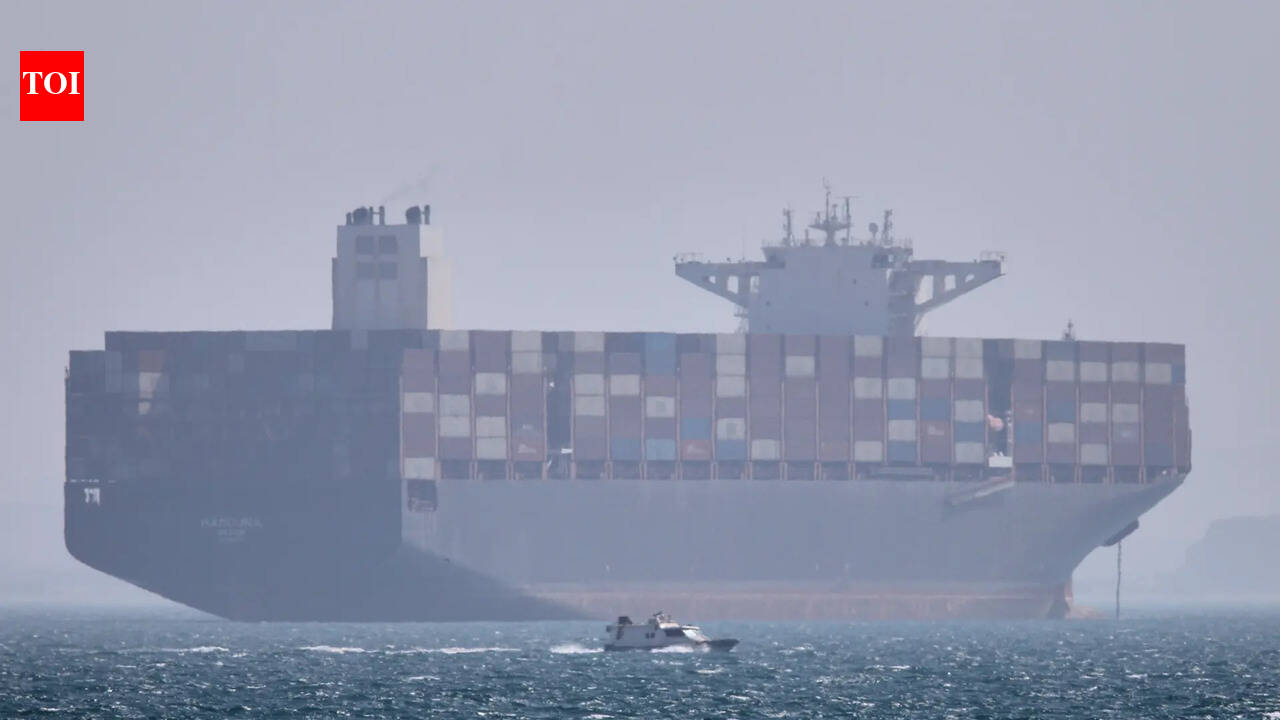
Indian refiners are modifying their operations to handle a wider range of crude oil grades due to disruptions in the Strait of Hormuz. This adjustment aims to optimize fuel production amid geopolitical tensions.

iG
iGEN Editorial
June 1, 2026
Indian Refiners Adapt to New Crude Mix Amid Hormuz Crisis

The ongoing geopolitical tensions in the Middle East, particularly around the Strait of Hormuz, have significantly impacted the crude oil supply chain for Indian refiners. As a result, these refiners are now adapting to a new mix of crude oil grades to maintain and maximize their output.

Supply Chain Disruptions

The conflict involving Iran has led to supply disruptions from key oil-producing regions. Traditionally, Indian refiners sourced their crude from these regions, but the current situation has forced them to seek alternative suppliers. Ujjal K Mukherjee, Chief Technology Officer at Lummus Technology, highlights that Indian refiners are now processing crude varieties that were not part of their usual feedstock mix.

Technological Adaptations

To cope with these changes, refiners are working closely with technology providers like Lummus Technology. The focus is on improving product yields and enhancing the flexibility of existing infrastructure. Mukherjee notes that there is a growing interest in reconfiguring crude intake and utilizing adaptable assets such as hydrocrackers.

"Refiners using Lummus technologies are showing growing interest in reconfiguring their crude intake and making better use of adaptable assets such as hydrocrackers," said Mukherjee.

Demand for Alternative Projects

Beyond conventional refining, Indian refiners are exploring new opportunities in gas-to-chemicals and oil-to-chemicals projects. The demand for premium lubricant base oils, polypropylene, and polyethylene is rising, prompting refiners to consider delayed coking facilities.

Future Outlook

The geopolitical turmoil is likely to influence future decisions on energy projects, particularly in countries heavily reliant on the Strait of Hormuz. Mukherjee suggests that nations like Kuwait, Qatar, and Iraq may explore joint ventures and alternative project structures to secure more reliable energy routes.

Country Traditional Supplier Alternative Supplier
India Iran, Iraq Russia, GCC

The ongoing adjustments by Indian refiners highlight the resilience and adaptability of the sector in the face of geopolitical challenges. As the situation evolves, refiners will continue to seek innovative solutions to optimize their operations.

Keep Reading

Recommended Stories

Diesel Prices Surge in Largest Weekly Jump Since Iran War, Now Double Brent Crude Commodities

Diesel Prices Surge in Largest Weekly Jump Since Iran War, Now Double Brent Crude

Diesel prices experienced their largest weekly jump since the Iran War, adding over 55 cents per gallon in two weeks, according to the latest DOE/EIA report. The surge has pushed diesel to double the price of Brent crude, highlighting severe imbalances in the global energy market. The spike threatens US industry, strains supply chains, and raises concerns ahead of hurricane season and ongoing geopolitical conflicts.

July 22, 2026
Crude Oil Futures Jump Over 4% as US-Iran Strikes Threaten Strait of Hormuz Commodities

Crude Oil Futures Jump Over 4% as US-Iran Strikes Threaten Strait of Hormuz

Crude oil futures jumped more than 4% on Monday after the US and Iran launched attacks against each other and Iran announced closure of the Strait of Hormuz. September Brent reached $79.13, up 4.1%, while WTI rose 4.12% to $74.35. Escalation has slowed vessel transits, raising fears of oil supply tightness through Q3.

July 13, 2026
Indian Refiners Book Crude for 45 Days as Flush Market Favors Buyers Commodities

Indian Refiners Book Crude for 45 Days as Flush Market Favors Buyers

Indian refiners have stocked up on crude oil for the next 45 days, with Russia remaining the top supplier and replacement barrels coming from the US, Venezuela, Africa, and Oman. The market is favoring buyers due to de-escalation in West Asia and increased Middle Eastern cargoes, as noted by Kpler and industry sources.

June 30, 2026
Strait of Hormuz Reopens: Middle East Oil Exports to Climb to 4-Month High Commodities

Strait of Hormuz Reopens: Middle East Oil Exports to Climb to 4-Month High

The Strait of Hormuz is recovering after over 100 days of disruption, with Middle Eastern fuel oil exports expected to reach 2.4 million metric tons in June, a 20% increase from May. Exports are driven by supply diversions from Iraq and Saudi Arabia, though volumes remain below pre-war averages. Uncertainty over the US-Iran peace deal durability keeps shipping cautious.

June 25, 2026