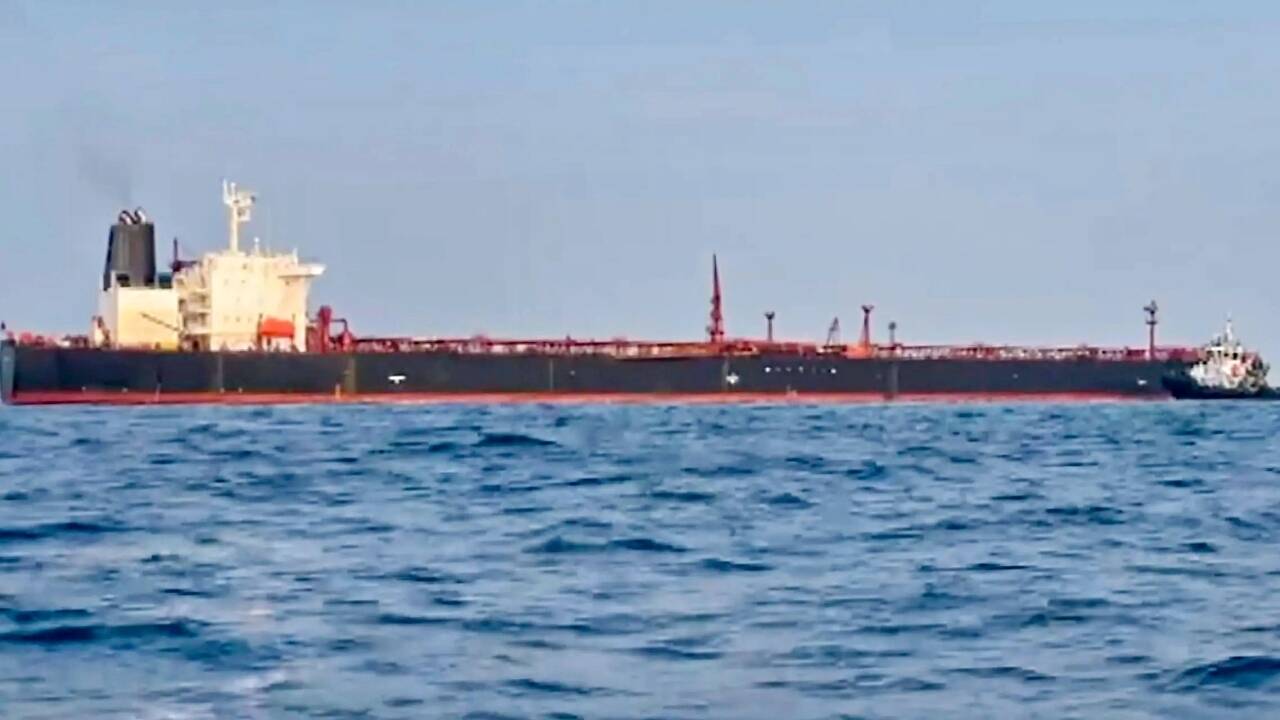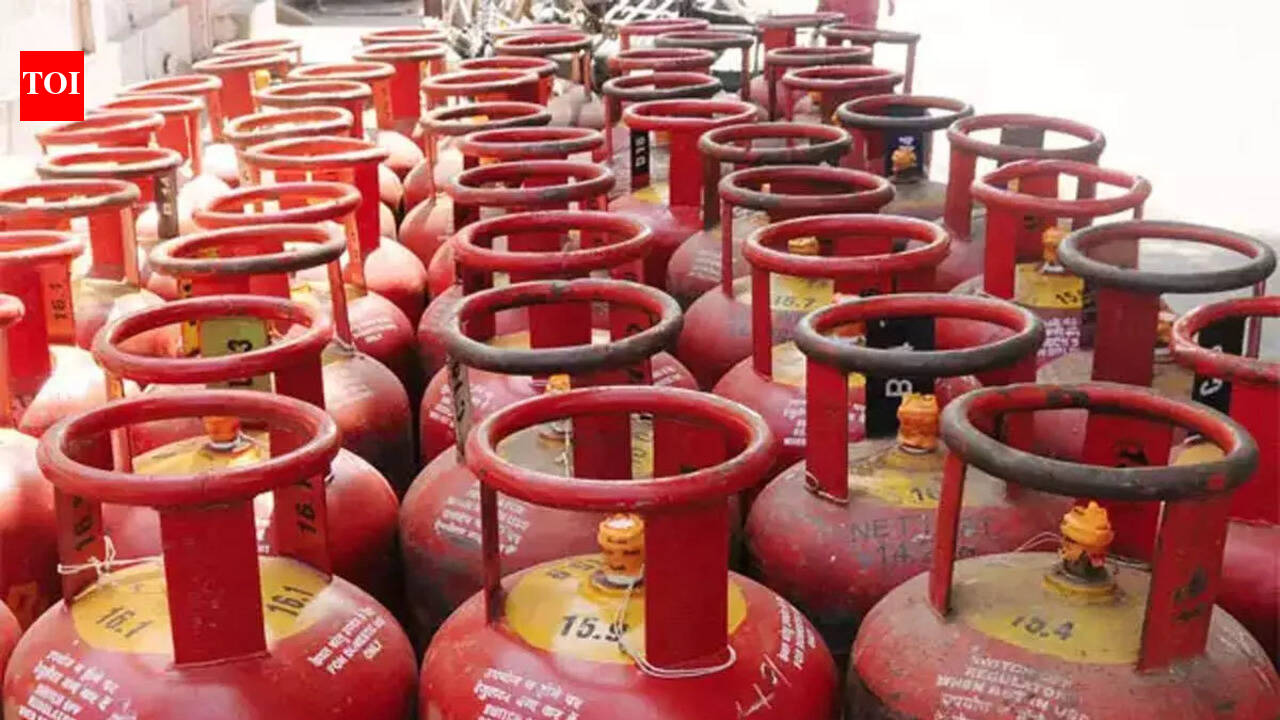
The Middle East conflict that erupted in late February has forced a fundamental shift in India's LPG import strategy, as the country diversified sourcing away from the Gulf region while state-run oil marketing companies (OMCs) absorbed the brunt of rising global prices, according to a Crisil report.
LPG Import Diversification
Prior to the conflict, approximately 90% of India's LPG imports originated from the Middle East, leaving the country highly exposed to regional disruptions. By April 2026, the share from the United States had surged to nearly one-third of total imports, up from just 8% in February, the Crisil report stated. This shift was facilitated by a 2.2 million tonne-per-year LPG supply agreement signed with the US in late 2025, equivalent to around 10% of India's annual LPG import requirement.
Iran also returned to India's import basket, contributing about 6% of imports in April. Additional supplies were sourced from Argentina, Chile, France, and the Netherlands. While diversification ensured supply continuity, it resulted in longer routes and higher freight costs.
Demand Declines
The disruption hit LPG demand hard. Consumption fell from 3.2 million tonnes in February to 2.47 million tonnes in April. Although India's LPG consumption had grown 6% to a record 33.2 million tonnes in fiscal 2026, demand dropped 13% year-on-year in both March and April, followed by a 20% decline in May. The sharpest fall was among commercial and industrial consumers, whose usage dropped more significantly than household demand as market-linked users reacted quickly to higher prices and supply limitations.
| Metric | Value |
|---|---|
| LPG consumption Feb 2026 | 3.2 million tonnes |
| LPG consumption Apr 2026 | 2.47 million tonnes |
| Year-on-year demand drop Mar & Apr | 13% |
| Year-on-year demand drop May | 20% |
Price Impact and OMC Losses
Global LPG prices rose steeply. The Saudi Aramco Contract Price, the benchmark for Indian LPG imports, increased 46% between February and June amid supply risk concerns and higher freight charges, per Crisil.
However, only a fraction of the increase was passed on to consumers. The price of a 14.2-kg household LPG cylinder in Delhi rose about 10% between February and June, while a 19-kg commercial cylinder surged more than 79%. The modest household price increase led to higher under-recoveries for OMCs. In May, under-recoveries on domestic LPG cylinders in Delhi reached Rs 651 per cylinder, and cumulative losses borne by fuel retailers between March and May were estimated at nearly Rs 22,000 crore.
Outlook
With tensions easing and key trade routes potentially reopening, immediate LPG supply concerns are expected to subside and global prices could moderate, the report noted. However, the disruption highlighted India's continued dependence on imported LPG and the risks of concentrated sourcing. While diversification and increased domestic production helped mitigate the impact, the sector remains exposed to geopolitical risks, freight market volatility, and fluctuations in international energy prices, reinforcing the need for a broader import portfolio.
Sources: