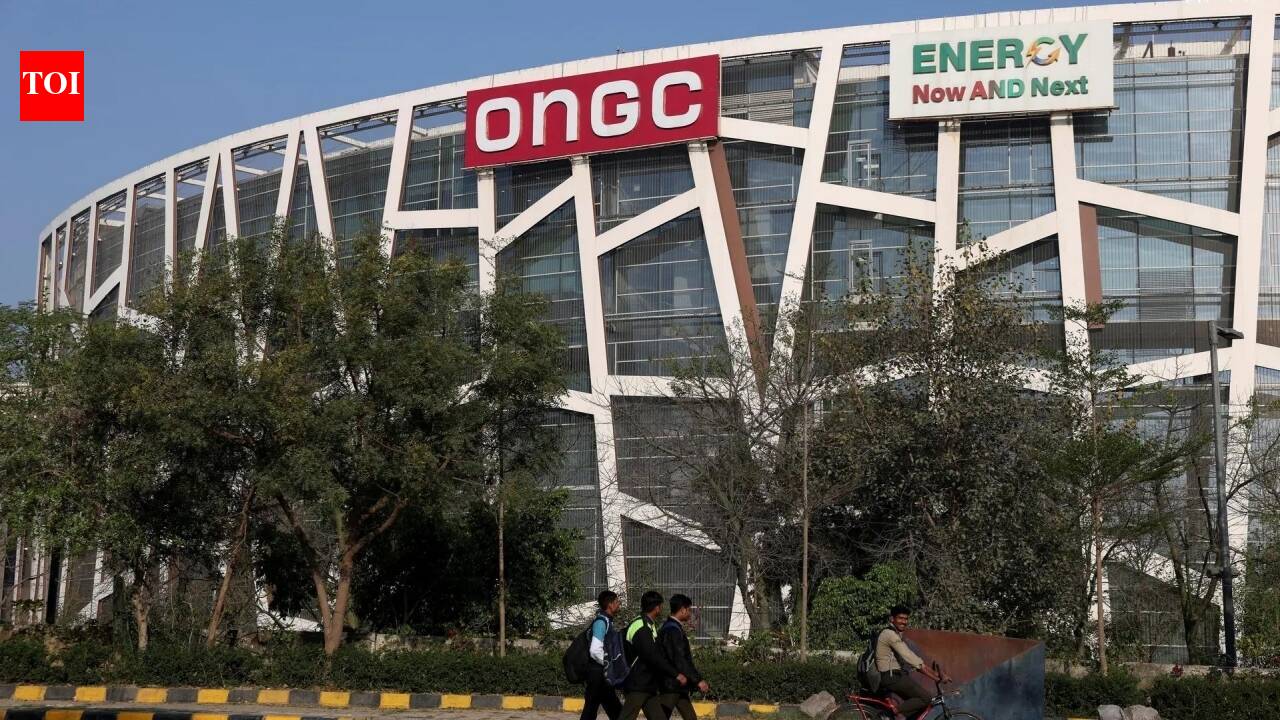
India's Oil and Natural Gas Corp (ONGC) will reserve half of its planned 1.75 million metric tonnes (about 13 million barrels) oil storage facility at Mangaluru to meet the country's strategic petroleum needs, junior oil minister Suresh Gopi told lawmakers on Monday, according to Reuters.
ONGC's Mangaluru storage plan
Reuters reported that ONGC, India's top oil explorer, announced plans last month to build the strategic petroleum reserve at Mangaluru in Karnataka state. The site is also home to ONGC's subsidiary, Mangalore Refinery and Petrochemicals (MRPL), which operates a refinery with a capacity of 300,000 barrels per day. Gopi said the new 1.75 million-tonne facility, equivalent to about 13 million barrels, will see half of its capacity reserved for the nation's strategic needs.
Existing reserves and commercial leasing
The existing Indian strategic petroleum reserve is managed by the government-owned Indian Strategic Petroleum Reserves Ltd (ISPRL) and spans three southern India locations — Mangaluru, Padur and Vizag — with a combined 5.33 million tonnes of capacity, according to Reuters. Indian rules allow commercial use of part of this existing SPR storage, and MRPL has already leased half of the 1.5 million tonnes Mangaluru SPR, the report added.
India has the capacity to store crude oil and petroleum products to meet 74 days of its net crude import needs, including inventories in refinery tanks, offshore facilities and its 35,000 km (22,000 miles) pipeline network, Gopi said.
Chandikhol and Padur expansion plans
New Delhi is expanding its SPR capacity with private participation, according to Reuters. India plans to build about 4 million tonnes of strategic storage at Chandikhol in the eastern state of Odisha and a new 2.5 million tonnes facility at Padur in southern India, in collaboration with private companies. Gopi said ISPRL has acquired the land for the Chandikhol project, which is estimated to cost ₹9,000 crore ($944.44 million).
Storage capacity at a glance
| Facility | Location | Capacity | Status |
|---|---|---|---|
| ONGC new SPR | Mangaluru, Karnataka | 1.75 million tonnes (~13 million barrels) | Half reserved for strategic needs |
| Existing SPR system | Mangaluru, Padur, Vizag | 5.33 million tonnes | Managed by ISPRL; partial commercial use allowed |
| Mangaluru SPR | Mangaluru | 1.5 million tonnes | Half already leased to MRPL |
| Chandikhol SPR | Chandikhol, Odisha | About 4 million tonnes | Land acquired; cost ₹9,000 crore ($944.44 million) |
| New Padur facility | Padur, southern India | 2.5 million tonnes | Planned with private collaboration |
Commodity market context
For crude oil analysts and commodity traders, the key data point in the announcement is India's stated ability to store crude and petroleum products equivalent to 74 days of net crude imports. That figure, reported by Reuters, covers inventories held in refinery tanks, offshore facilities and the country's 35,000 km pipeline network. As ONGC builds the Mangaluru reserve and advances the Chandikhol and Padur projects with private-sector participation, India's storage footprint across southern and eastern locations is set to expand, according to the plans disclosed by Gopi.
Sources: