
iGEN
Visit IGEN World Explore IGEN Expo
EXPLORE UPGRADE PLANS
BREAKING
India must boost oilseed yields to cut edible oil imports, SEA chief says India Air Freights 5 Tonnes of Medical Aid to Afghanistan Under Humanitarian Assistance Tsakos Joins Greek Capesize Ordering Wave at Hengli Heavy Industries How US quietly kept Gulf crude moving despite Iran's Hormuz blockade Rupee Rebounds 31 Paise to 94.29 as Easing Oil, Dollar Index Boost Sentiment Shipping Braces for Monster El Niño as NOAA Warns of Record-Intensity Event Threatening Global Trade Lanes India May Require Refiners to Triple Crude Oil Inventories After Lessons From China Fleets Reposition for Hormuz Reopening Ahead of US-Iran Peace Deal Signing Gold price prediction today: Central bank buying, US-Iran peace deal support gold above $4,300/oz Middle East crude slips into discounts as US-Iran deal lifts global supply outlook India must boost oilseed yields to cut edible oil imports, SEA chief says India Air Freights 5 Tonnes of Medical Aid to Afghanistan Under Humanitarian Assistance Tsakos Joins Greek Capesize Ordering Wave at Hengli Heavy Industries How US quietly kept Gulf crude moving despite Iran's Hormuz blockade Rupee Rebounds 31 Paise to 94.29 as Easing Oil, Dollar Index Boost Sentiment Shipping Braces for Monster El Niño as NOAA Warns of Record-Intensity Event Threatening Global Trade Lanes India May Require Refiners to Triple Crude Oil Inventories After Lessons From China Fleets Reposition for Hormuz Reopening Ahead of US-Iran Peace Deal Signing Gold price prediction today: Central bank buying, US-Iran peace deal support gold above $4,300/oz Middle East crude slips into discounts as US-Iran deal lifts global supply outlook
Home ›› Intl Trade ›› Import Export ›› India Targets Import Reduction with Localisation Strategy

India Targets Import Reduction with Localisation Strategy

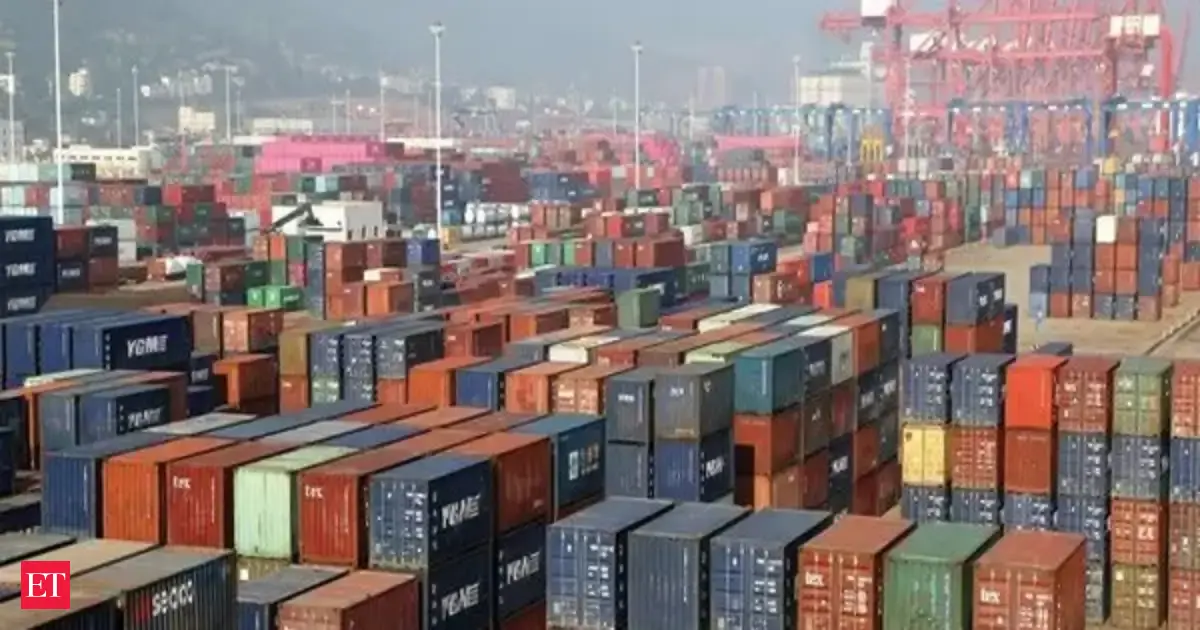
India's Department for Promotion of Industry and Internal Trade (DPIIT) is analyzing data on the 500 most-imported items to reduce the country's import bill. The initiative aims to enhance domestic manufacturing capabilities and supply resilience.

iG
iGEN Editorial
June 1, 2026
India Targets Import Reduction with Localisation Strategy

India's Department for Promotion of Industry and Internal Trade (DPIIT) is spearheading an initiative to analyze data on the 500 most-imported items, aiming to reduce the country's import bill and bolster domestic manufacturing capabilities. This move comes amid ongoing geopolitical tensions in West Asia, which have highlighted the need for supply chain resilience.

Strategic Analysis

The DPIIT is gathering data from various ministries to assess import dependence, the time and capital investment required for domestic production, and the strategic importance of these products. Electronics and chemicals are identified as key sectors with high import volumes but significant potential for local production and export.

Import Dependence

The analysis categorizes products based on import dependence: high dependence is defined as 60% or more of domestic demand met through imports, while medium dependence is 30-60%. The DPIIT is expected to shortlist around 100 items where local production is feasible.

"Electronics and chemicals are two key sectors where imports are huge but the potential to export is also significant," an official stated.

Economic Impact

India's goods import bill for FY26 was $774.98 billion, with oil leading at $174 billion, followed by electronics at $116.17 billion, and gold at $72 billion. Organic and inorganic chemicals accounted for $28 billion. Other products under review include makeup preparations, dishwashers, industrial valves, and silicon wafers.

Product Category Import Value (FY26)
Oil $174 billion
Electronics $116.17 billion
Gold $72 billion
Chemicals $28 billion

Government Initiative

This initiative aligns with Prime Minister Narendra Modi's call to preserve foreign exchange and manage the rising import bill. The DPIIT's efforts are part of a broader strategy to enhance India's economic resilience and reduce vulnerability to external supply disruptions.
Keep Reading

Recommended Stories

India's Trade Strategy Faces Six Major Challenges Trade

India's Trade Strategy Faces Six Major Challenges

India's trade agreements face significant challenges, including rising trade deficits and underutilization of FTA benefits. The Global Trade Research Initiative highlights tariff asymmetries and manufacturing shifts as key issues.

June 9, 2026
Blue Economy Drives India's Viksit Bharat 2047 Vision Trade

Blue Economy Drives India's Viksit Bharat 2047 Vision

Experts emphasize the Blue Economy's role in India's Viksit Bharat 2047 vision, highlighting ocean-based sectors' potential for economic growth. Key partnerships and research initiatives are underway to support this sustainable development strategy.

June 6, 2026
Government hikes export duties on diesel and Aviation Turbine Fuel Trade

Government hikes export duties on diesel and Aviation Turbine Fuel

The Indian government has increased Special Additional Excise Duty (SAED) on diesel and Aviation Turbine Fuel (ATF) exports in its latest fortnightly review, effective June 16, 2026. The export duty on diesel rose to ₹14 per litre from ₹13.05, and ATF to ₹12.05 per litre from ₹9.05. Petrol export duty remains unchanged at ₹1.05 per litre. The move aims to prioritise domestic availability amid the West Asia crisis.

June 16, 2026
India hikes windfall tax on diesel and ATF exports, petrol levy unchanged Trade

India hikes windfall tax on diesel and ATF exports, petrol levy unchanged

India hiked the windfall gains tax on exports of diesel and aviation turbine fuel (ATF) effective June 16, while keeping the levy on petrol unchanged. The special additional excise duty on diesel was raised to Rs 14 per litre and on ATF to Rs 12.5 per litre. The tax is revised fortnightly and aims to ensure domestic fuel availability amid West Asia tensions.

June 15, 2026