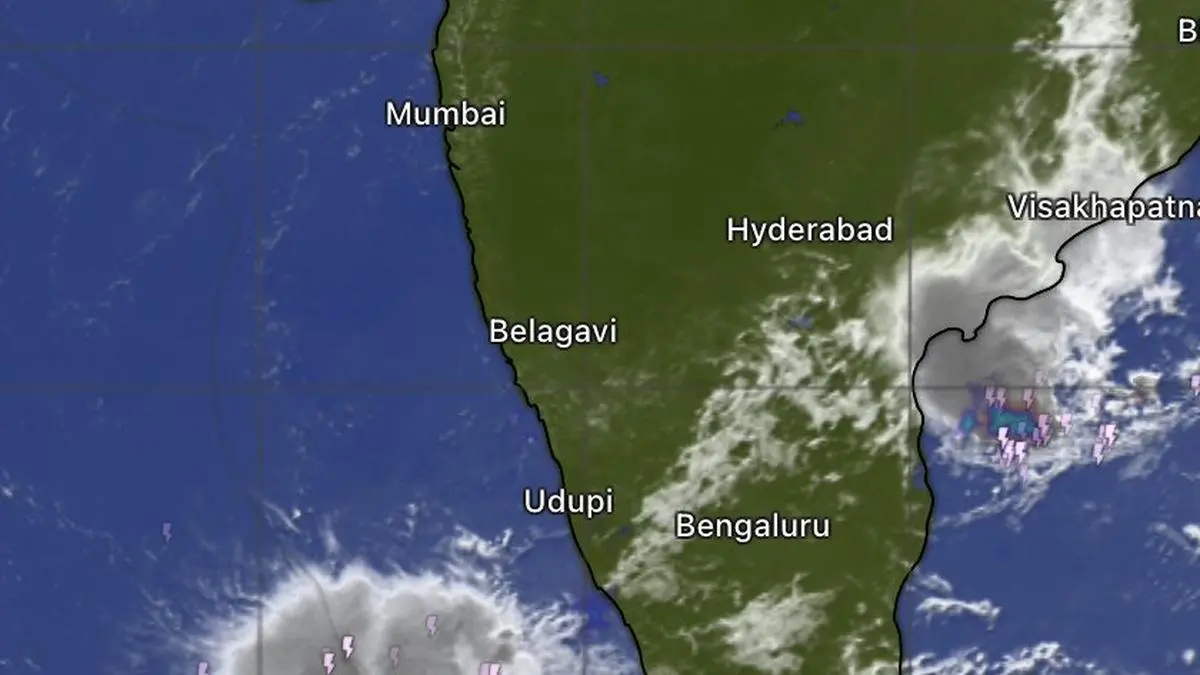
The delayed onset of the monsoon in India is causing significant concern in the agricultural commodity markets. Kerala and Mahe have experienced strong monsoon activity, but the advance northward is sluggish, with Mumbai expecting rains by June 22, 12 days behind schedule.
El Niño's Influence
The primary driver behind this delay is the growing influence of El Niño. Rising atmospheric pressure is promoting subsidence, suppressing cloud formation and rainfall. This phenomenon is crucial as monsoon rains thrive under low-pressure conditions.
Supply Side Concerns
- India Meteorological Department (IMD) models indicate a lack of favorable oceanic disturbances.
- The US Climate Prediction Center forecasts a near-dry spell over Central India, affecting regions like southern Gujarat and parts of the Peninsular.
Demand Side Implications
The delayed monsoon affects crop forecasts, particularly for commodities like rice and cotton, which are heavily reliant on timely rains. USDA and FAO data will be crucial in assessing the impact on global supply chains.
"The monsoon's delay could lead to reduced yields, impacting both domestic and global markets," said a senior analyst.
Price Outlook
The outlook remains cautious, with potential price volatility in agricultural commodities. Traders will closely watch upcoming USDA reports and FAO updates for further guidance.
| Region | Expected Rainfall | Impact on Crops |
|---|---|---|
| Gujarat | Below Normal | Cotton, Groundnut |
| Rajasthan | Below Normal | Millet, Pulses |
| Central India | Near Dry Spell | Various Crops |
The market will also monitor the India Meteorological Department for updates on monsoon progress and potential impacts on agricultural outputs.